Step 01
Victoria Harbour and the skyline
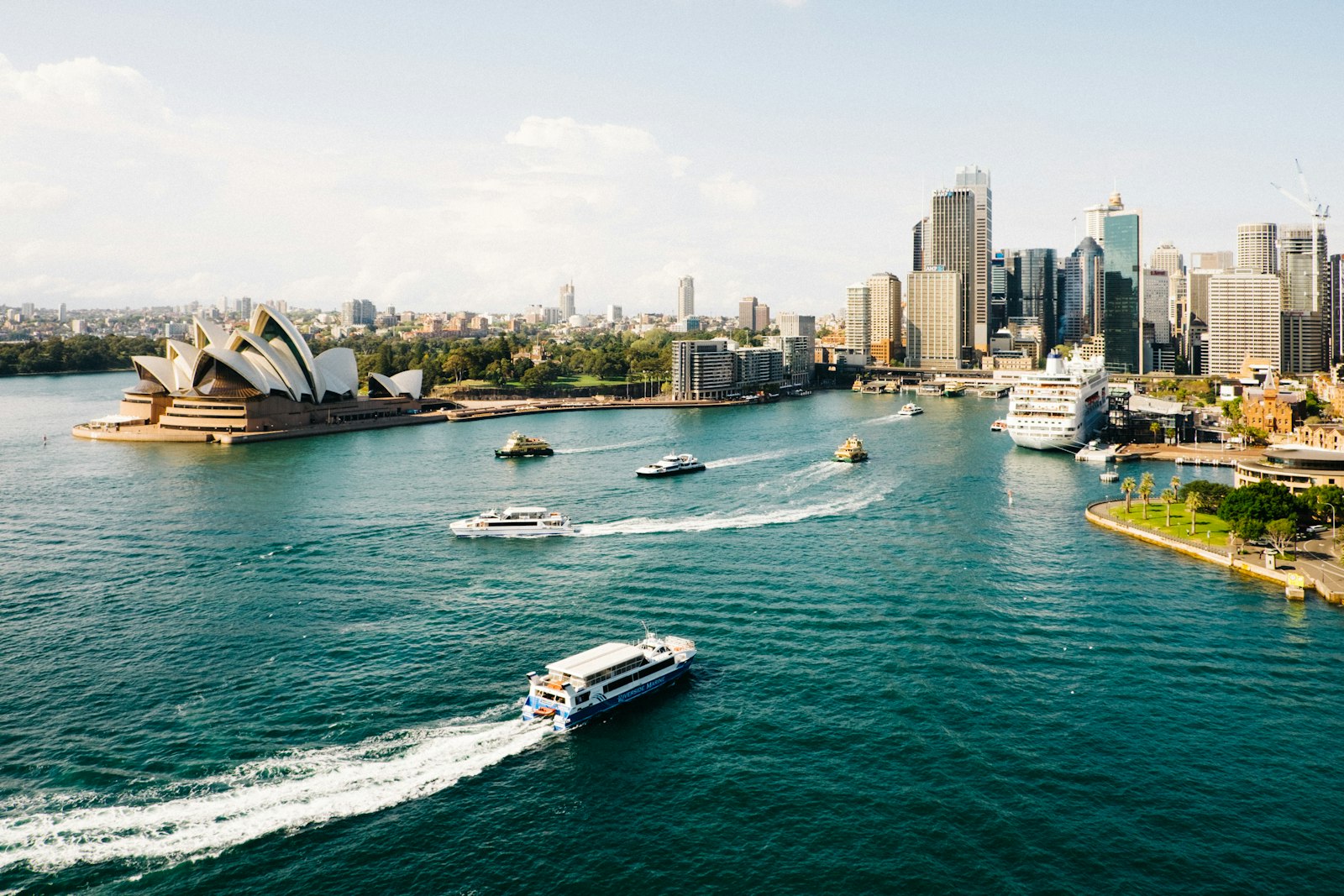
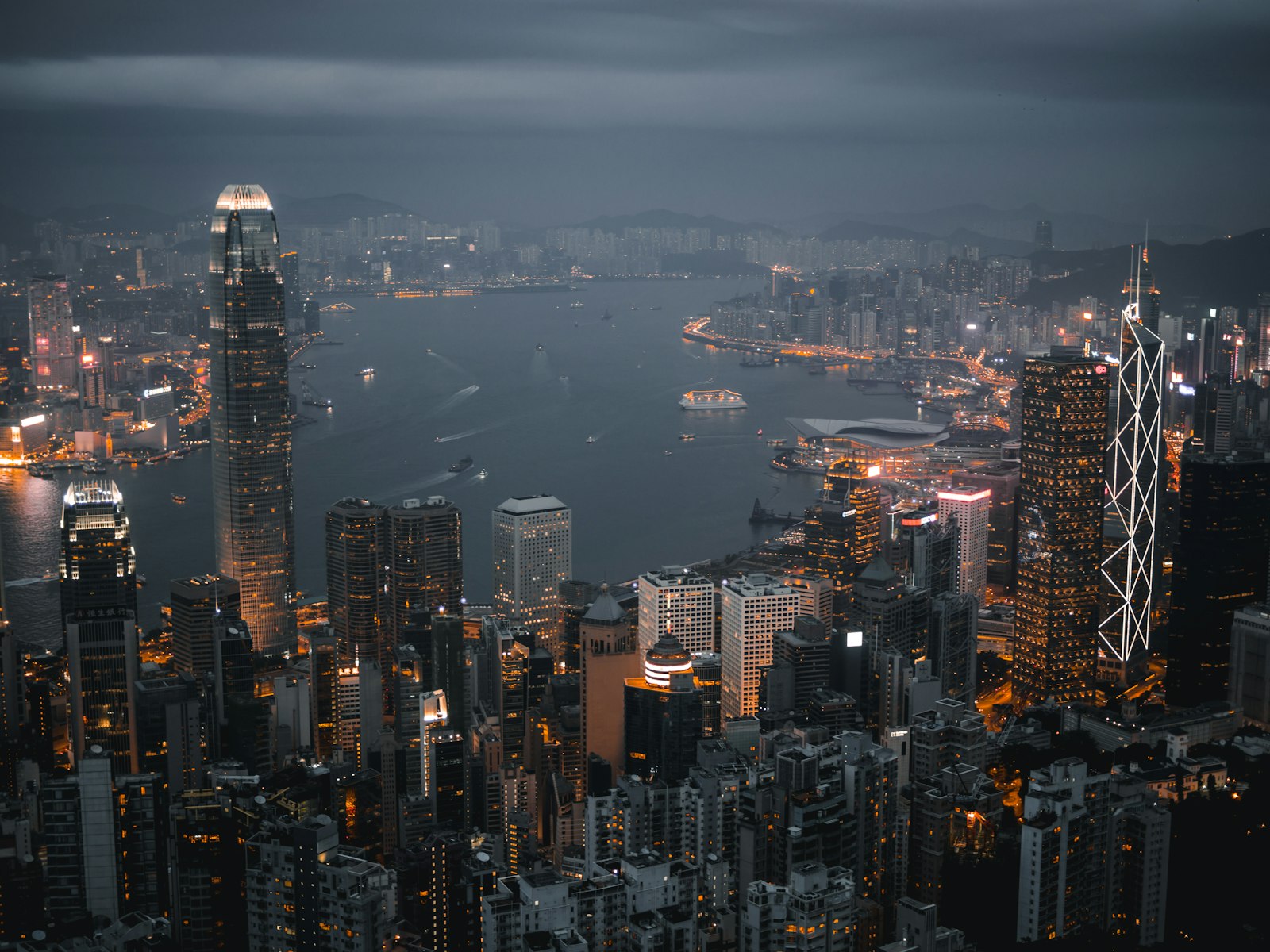
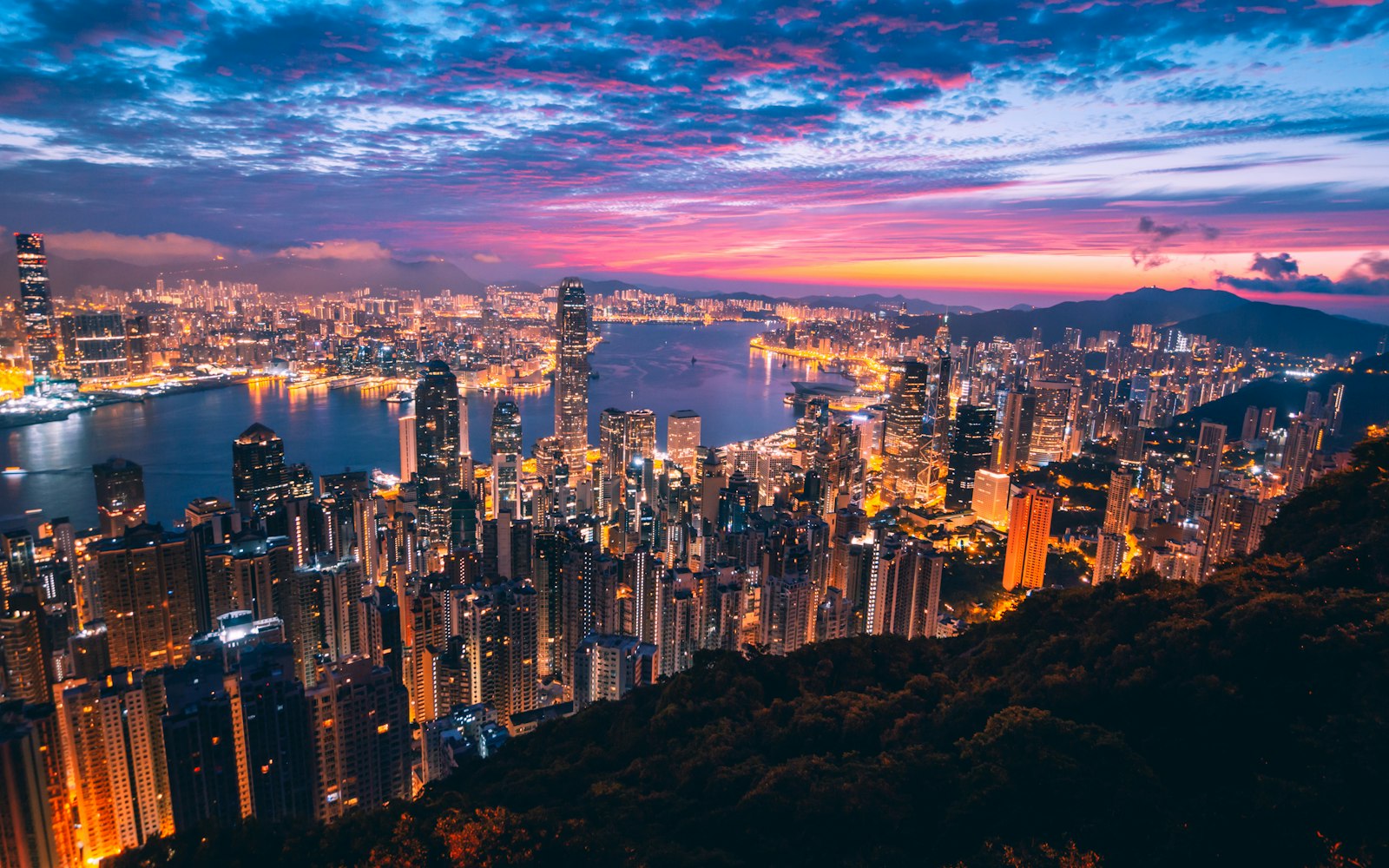
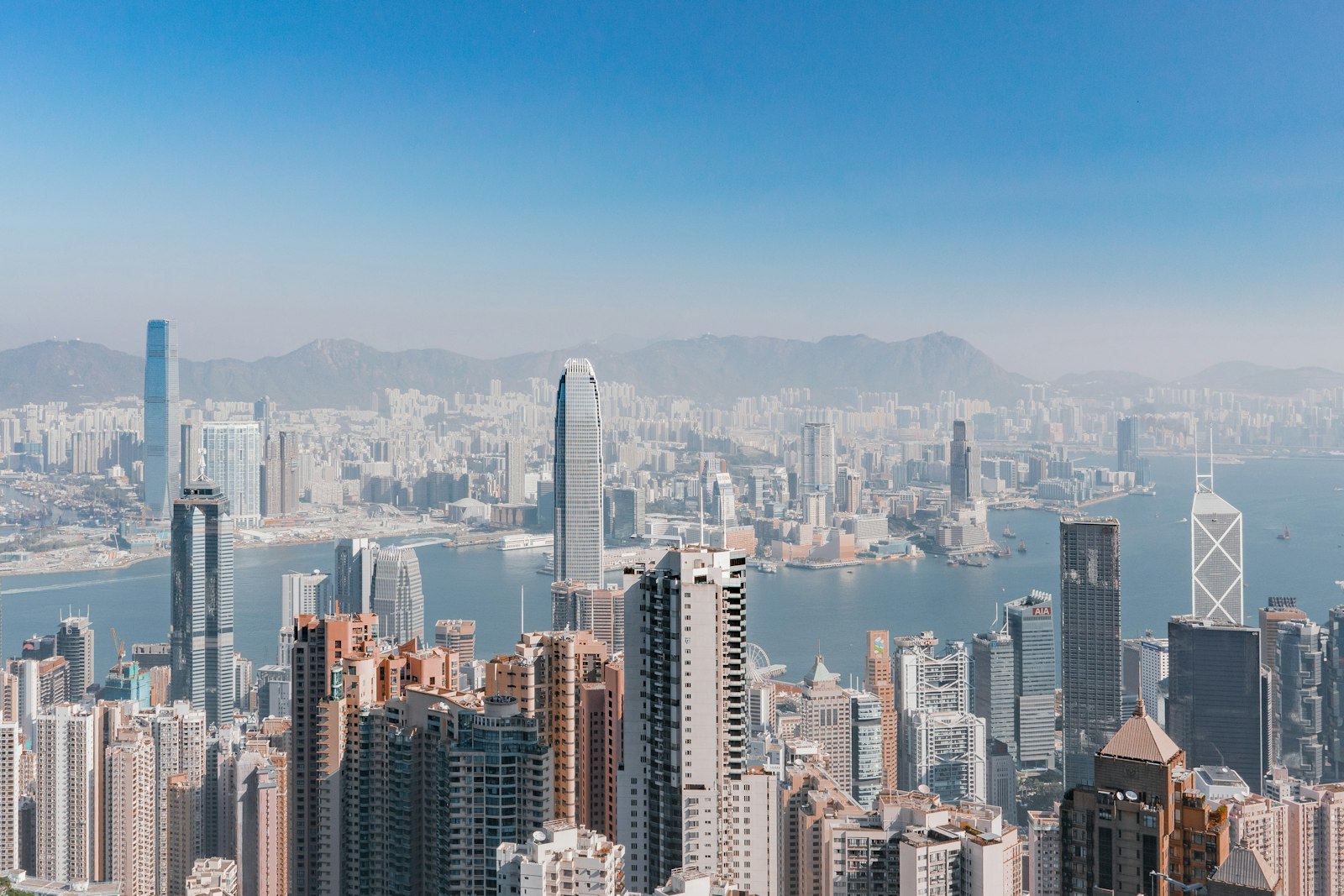
Victoria Harbour is the defining feature of Hong Kong — the strip of water separating Hong Kong Island from Kowloon, framed on both sides by one of the world's most dramatic skylines. The best free viewpoint is the Tsim Sha Tsui waterfront promenade along Salisbury Road, where the entire Island skyline stretches out in front of you. Come at 8 PM for the Symphony of Lights, a nightly laser and light show projected from over 40 buildings on both sides of the harbour.
The Star Ferry (天星小轮) has crossed the harbour since 1888 and remains the most iconic way to experience it. The crossing from Tsim Sha Tsui to Central takes 8 minutes and costs HK$3.70 — arguably the best-value view in Asia. Take the upper deck for unobstructed sightlines. The ferry also runs a Tsim Sha Tsui to Wan Chai route that is less crowded and equally scenic.
For an elevated perspective, Victoria Peak (太平山顶) on Hong Kong Island offers the classic postcard view. Skip the Peak Tram queue by taking bus 15 from Central Exchange Square — it runs the same route with better availability. The Peak Circle Walk is a flat 3.5-kilometer loop through forest that most tourists miss, offering harbour views from angles the main platform cannot match.
Step 02
Central and the Mid-Levels
Central (中环) is Hong Kong's financial and colonial heart. The area packs gleaming towers, historic landmarks, and some of the city's best eating into a compact grid between the harbour and the Mid-Levels hillside. Start at the former Legislative Council Building on Jackson Road, then walk through Statue Square to the HSBC Main Building — Norman Foster's high-tech masterpiece that was the most expensive building in the world when completed in 1985.
The Central–Mid-Levels Escalator is the world's longest outdoor covered escalator system, stretching 800 meters uphill through SoHo and connecting Central's office towers to the residential Mid-Levels. It runs downhill until 10 AM for commuters, then reverses uphill for the rest of the day. Ride it for access to the dense cluster of restaurants, bars, and galleries along Elgin Street, Staunton Street, and Graham Street. The surrounding PMQ complex — a converted police married quarters — hosts design shops and rotating exhibitions.
For a quieter side of Central, walk to the Zoological and Botanical Gardens (free entry, open since 1871) or continue uphill to the old colonial cemetery on Hong Kong Trail Section 1. The Man Mo Temple on Hollywood Road, dedicated to the gods of literature and war, is one of Hong Kong's oldest temples and filled with giant hanging incense coils that burn for weeks.
Step 03
Kowloon: Tsim Sha Tsui to Mong Kok
Kowloon is the mainland peninsula facing Hong Kong Island — denser, louder, and more visually intense than anywhere on the Island side. Tsim Sha Tsui (尖沙咀, TST) at the southern tip is the tourist hub, home to the Hong Kong Museum of Art, the Hong Kong Cultural Centre, and the Avenue of Stars along the waterfront. The 1881 Heritage complex, a restored former marine police headquarters, is worth a walk-through for its colonial architecture.
Moving north, Nathan Road — nicknamed the Golden Mile — is Kowloon's main artery, lined with hotels, electronics shops, and neon signs stacked ten storeys high. Jordan and Yau Ma Tei are the transition zones where tourist Hong Kong gives way to local Hong Kong: the Jade Market on Kansu Street, the Temple Street Night Market (best after 7 PM for street food and fortune tellers), and the Tin Hau Temple tucked between residential towers.
Mong Kok (旺角) is one of the most densely populated places on Earth and the sensory peak of any Hong Kong trip. Fa Yuen Street is the sneaker capital of Asia. Goldfish Market on Tung Choi Street and the Flower Market on Flower Market Road are unique to Hong Kong. The Ladies' Market on Tung Choi Street runs for blocks with stalls selling everything from phone cases to luggage. Visit on a weekday evening for the full experience with marginally smaller crowds.
Step 04
Wan Chai, Causeway Bay, and the Island east
Wan Chai (湾仔) has evolved from its sailors-and-bars reputation into one of Hong Kong's most interesting neighborhoods. The Blue House Cluster on Stone Nullah Lane is a beautifully preserved group of 1920s tong lau (tenement buildings) now operating as a living heritage site — residents still live upstairs while the ground floor hosts a community café and gallery. The Wan Chai Heritage Trail connects over a dozen historical sites in a walkable loop.
Causeway Bay (铜锣湾) is Hong Kong's shopping epicenter. Times Square, Hysan Place, and the SOGO department store anchor the district, but the real draw is the dense street-level retail on Jardine's Bazaar and the surrounding alleys where local shops sell everything from dried seafood to handmade noodles. Victoria Park, the largest park on Hong Kong Island, is a green break from the density — join the morning tai chi sessions or visit during the Mid-Autumn Festival for the spectacular lantern displays.
Further east, North Point and Quarry Bay offer a more local, less polished Hong Kong. The Quarry Bay Monster Building on King's Road — a massive E-shaped residential block — has become an Instagram landmark, but the surrounding neighborhood is genuinely interesting for its old-school dai pai dong (open-air food stalls) and traditional markets. Taikoo Place in Quarry Bay has emerged as a secondary business district with excellent lunch options.
Step 05
Lantau Island and the Big Buddha

Lantau Island (大屿山) is Hong Kong's largest island and home to its most iconic religious site. The Tian Tan Buddha (天坛大佛) at Ngong Ping is a 34-meter bronze statue completed in 1993, reached by climbing 268 steps. The Po Lin Monastery at the base serves an excellent vegetarian lunch that is worth planning around. The Ngong Ping 360 cable car from Tung Chung offers a dramatic 25-minute ride over Tung Chung Bay — book the crystal cabin with a glass floor for the full experience.
Beyond the Buddha, Lantau has Hong Kong's best hiking. The Lantau Trail is a 70-kilometer circuit divided into 12 stages. Stage 2 from Ngong Ping to Sunset Peak is the most rewarding single section — Sunset Peak (大东山) at 869 meters is the third-highest point in Hong Kong and the views at golden hour are extraordinary. For something easier, the Wisdom Path near the Buddha is a serene 20-minute walk through a hillside installation of wooden columns inscribed with the Heart Sutra.
Tai O (大澳) on Lantau's western coast is a fishing village built on stilts over a tidal estuary. It feels like a different century from the Hong Kong Island skyline. The village is famous for its shrimp paste, sun-dried fish, and pink dolphin boat tours in the surrounding waters. Take the bus from Ngong Ping (25 minutes) or the ferry from Tuen Mun. Allow at least two hours for Tai O — the slow pace is the point.
Step 06
The New Territories and outlying islands

The New Territories (新界) occupy the vast area between urban Kowloon and the Chinese border, and contain a Hong Kong that most visitors never see. Sha Tin is home to the Ten Thousand Buddhas Monastery — actually containing over 12,000 Buddha statues lining the 400-step climb to the hilltop temple complex. The Hong Kong Heritage Museum nearby is one of the best museums in the city, with a permanent Cantonese opera gallery and rotating art exhibitions. Admission is free.
Sai Kung (西贡) in the eastern New Territories is the gateway to Hong Kong's best natural scenery. The Hong Kong UNESCO Global Geopark features hexagonal volcanic rock columns dating back 140 million years, best seen on a boat trip to High Island Reservoir's East Dam. Sai Kung town itself has an excellent waterfront seafood market where you pick your fish live from tanks and have it cooked at adjacent restaurants. The nearby beaches at Long Ke Wan and Tai Long Wan are among the most beautiful in southern China.
The outlying islands of Cheung Chau and Lamma are car-free and reachable by 30–40 minute ferries from Central Pier. Cheung Chau is famous for its annual Bun Festival (usually May) and its mini-round-the-island walk takes about 90 minutes. Lamma Island has a bohemian fishing-village feel with excellent seafood restaurants in Sok Kwu Wan and a gentle coastal trail connecting the two main villages. Both islands make perfect half-day escapes from the urban intensity.
Step 07
Hong Kong food: what to eat and where

Dim sum (点心, yum cha) is the essential Hong Kong meal. The classic order includes har gow (shrimp dumplings), siu mai (pork and shrimp dumplings), char siu bao (barbecue pork buns), and cheung fun (rice noodle rolls). Tim Ho Wan, which holds a Michelin star at most of its locations, is the accessible choice — the original Sham Shui Po branch still has the best char siu bao. For a traditional push-cart experience, try Maxim's Palace at City Hall in Central during weekend brunch.
Cha chaan teng (茶餐厅) are Hong Kong's signature no-frills diners, serving a fusion of Cantonese and colonial British dishes unique to the city. Must-tries include milk tea (silky smooth, served scalding), pineapple buns (actually contain no pineapple — the name comes from the crackly sugar top), macaroni soup with spam and egg, and French toast slathered in condensed milk. Mido Café in Yau Ma Tei and Lan Fong Yuen in Central are classic stops. Do not expect English menus everywhere — point and smile works fine.
Roast meats are a Hong Kong religion. Whole roast goose (烧鹅), char siu (叉烧, honey-glazed barbecue pork), and crispy roast pork (烧肉) hang in windows across the city. Yat Lok in Central is famous for its roast goose; Kam's Roast Goose in Wan Chai holds a Michelin star. For late-night eating, dai pai dong stalls in Sham Shui Po and Temple Street serve claypot rice, typhoon shelter crab, and wok-fried noodles until the early hours. Hong Kong's street-food culture is less visible than in mainland China but just as deep — ask locals, not guidebooks, for the best current spots.
Step 08
Getting around Hong Kong

The MTR (Mass Transit Railway) is Hong Kong's metro system and the backbone of getting around. It is clean, fast, air-conditioned, and covers virtually every area a visitor would want to reach. Buy an Octopus card (八达通) at any MTR station — it works on the metro, buses, ferries, trams, minibuses, and even 7-Eleven and vending machines. A tourist Octopus with an airport express single ride is available at the airport but the standard card (HK$150 including HK$50 deposit) is better value.
Hong Kong's double-decker trams (叮叮, ding ding) run along the northern shore of Hong Kong Island from Kennedy Town to Shau Kei Wan. At HK$3 per ride (Octopus tap on exit), they are the cheapest and most atmospheric way to see the Island. Grab a front seat on the upper deck for an unbeatable street-level panorama. The entire route takes about 80 minutes end to end — a genuine sightseeing experience disguised as public transport.
Ferries connect Hong Kong Island to Kowloon, Lantau, Cheung Chau, Lamma, and other islands from Central Pier. Taxis are metered, plentiful, and cheap by global standards — red taxis serve the urban area, green taxis the New Territories, and blue taxis Lantau. Uber operates but is technically in a legal grey area; taxis are more reliable. From Hong Kong International Airport, the Airport Express train reaches Central in 24 minutes. The free shuttle bus network from Airport Express stations covers most major hotels.
Step 09
Crossing into mainland China
Hong Kong operates under a separate immigration system from mainland China — crossing between them requires passing through border control on both sides. If you are planning to visit mainland China from Hong Kong, you need the appropriate Chinese visa or transit exemption before you arrive. The 144-hour transit visa exemption applies if you enter through Shenzhen and continue onward to a third country, but the rules differ depending on your nationality — check our visa tool before booking.
The fastest crossing is the Guangzhou–Shenzhen–Hong Kong Express Rail Link from West Kowloon Station. Trains to Shenzhen Futian take 14 minutes. Trains to Guangzhou South take 47 minutes. Immigration for both Hong Kong and mainland China is handled inside the station before boarding — arrive 45 minutes early. The station is architecturally impressive and worth seeing even if you are not crossing.
For Shenzhen day trips, the Lo Wu and Lok Ma Chau crossings on the MTR East Rail Line are the traditional land border routes. Lo Wu connects directly to the Luohu Commercial City shopping complex on the Shenzhen side. Lok Ma Chau connects to Futian Port. Both crossings can have long queues on weekends and holidays — weekday mornings are fastest. The Shenzhen Bay crossing in the western New Territories is less crowded and convenient if you are heading to Nanshan or Shekou.
Step 10
When to visit and where to stay
The best time to visit Hong Kong is October through December — dry, sunny, and temperatures between 18–26°C. January and February are cool but can be grey. Spring (March–April) brings fog and humidity. Summer (June–September) is hot, humid, and brings typhoon season — flights and ferries can be disrupted at short notice, but hotel prices drop significantly. Typhoon warnings are broadcast everywhere and the city has a well-rehearsed shutdown protocol.
For first-time visitors, Tsim Sha Tsui offers the best combination of harbour views, transport links, and dining. Central and Sheung Wan are ideal if you want walkable access to the Island's cultural sights and nightlife. Wan Chai and Causeway Bay sit between the two and offer strong mid-range hotel value. The budget options cluster around Mong Kok and Jordan — Chungking Mansions on Nathan Road is infamous for its maze-like guesthouse floors, but the surrounding blocks have legitimate budget hotels with more breathing room.
Hong Kong hotel prices track events and holidays sharply. Chinese New Year (late January or February), Golden Week (first week of October), and major trade fairs at the Convention Centre can push rates up 2–3x. Book early for these periods. For the best rates, use Trip.com for Chinese-chain hotels and Booking.com or Agoda for international brands. Many hotels offer harbour-view room upgrades that are worth the premium — the difference between a city-view and harbour-view room can define the memory of the stay.
Next route decision
Confirm your entry path before booking.
Run the visa checker with your exact passport and itinerary. It turns this guide into a route you can execute.