Step 01
The Bund and Puxi waterfront
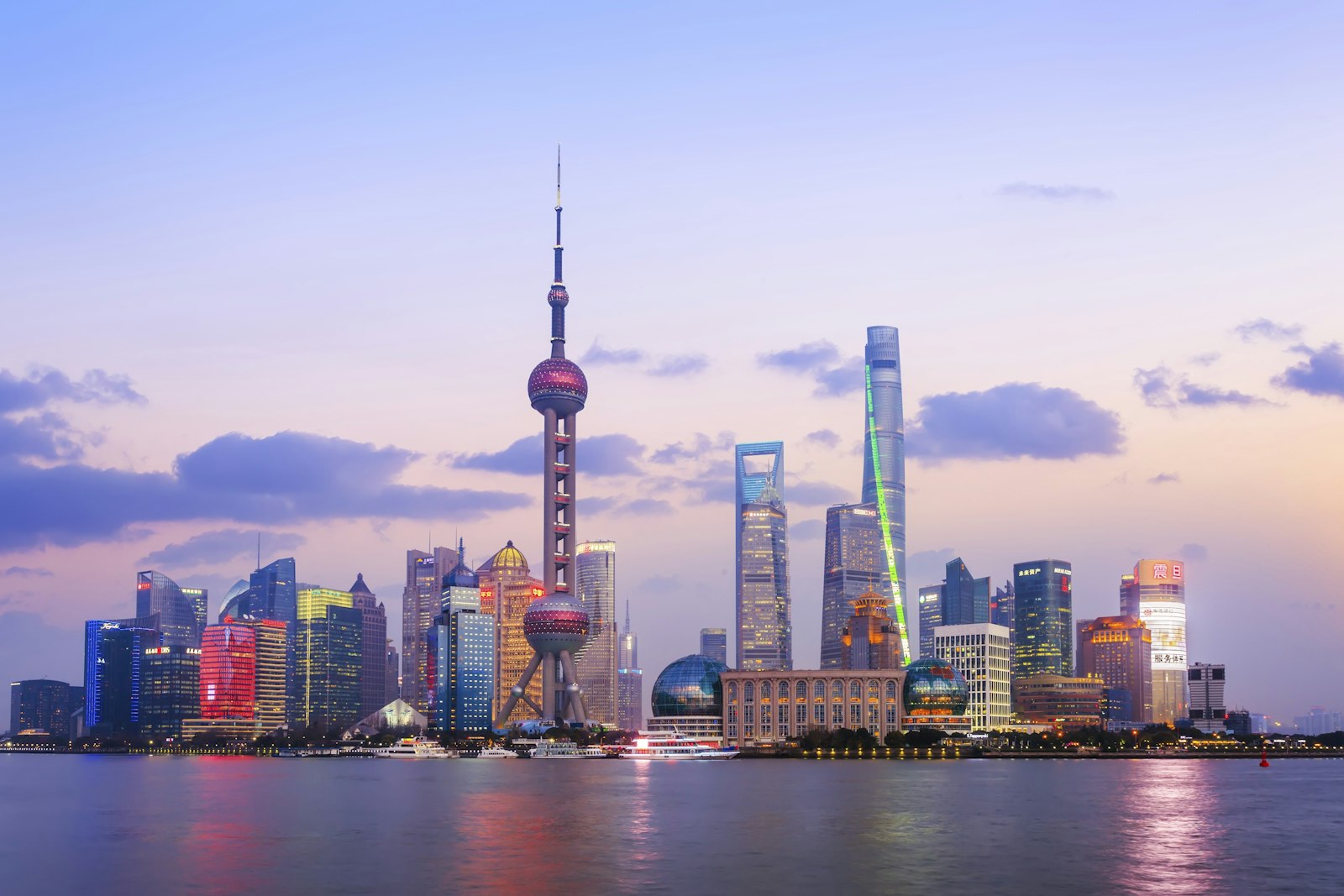
The Bund (外滩, Wàitān) is Shanghai's most iconic stretch — a 1.5-kilometer riverside promenade lined with 52 buildings spanning Gothic, Baroque, Art Deco, and Beaux-Arts styles. Walk it at dusk when the Pudong skyline across the Huangpu River lights up in sequence. The best viewing spot is between the Waibaidu Bridge to the north and the former HSBC Building to the south.
Arrive by metro Line 2 or Line 10 to East Nanjing Road station and walk east. On weekends and holidays the promenade gets crowded after 6 PM, so consider a late afternoon visit. The underground Bund Sightseeing Tunnel is a kitschy light show but not worth the price — skip it and take the ¥2 ferry from Jinling Road Wharf instead for the best cross-river views.
Behind the Bund, Yuanmingyuan Road and the Rockbund area hold some of Shanghai's best contemporary art galleries including the Rockbund Art Museum. The area around Sichuan Middle Road has excellent local restaurants that most tourists miss entirely.
Step 02
Pudong skyline and observation decks
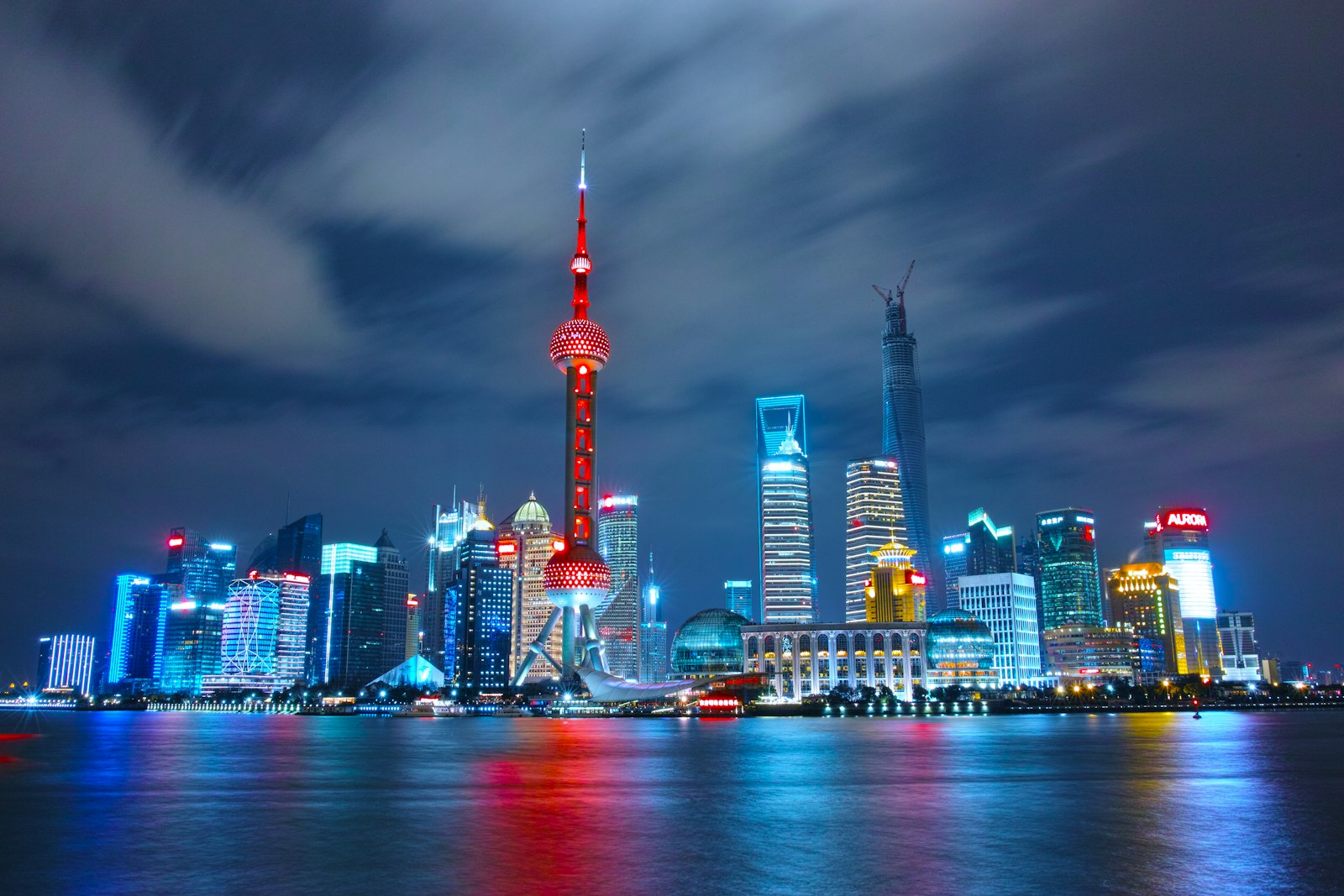
Pudong's three supertall skyscrapers form the skyline you see on every postcard. Shanghai Tower (上海中心大厦) is the tallest at 632 meters — its observation deck on the 118th floor offers the highest panoramic view in China. Book tickets online to skip the queue. The Shanghai World Financial Center next door has a glass-floored sky walk at 474 meters that is arguably more thrilling.
The Oriental Pearl Tower (东方明珠) is the retro-futuristic landmark with the distinctive pink spheres. Its glass-floor observation level and revolving restaurant are tourist staples, but the real gem is the Shanghai History Museum in the base — a surprisingly detailed walk through the city's evolution from fishing village to megacity. Budget 90 minutes for the museum alone.
For the best Pudong skyline photos without being in Pudong, head to the rooftop bars along the Bund. Vue Bar at the Hyatt on the Bund and Flair at the Ritz-Carlton offer unobstructed views. If you want to photograph Pudong from the water, take the evening cruise from the Shiliupu Wharf — the 60-minute route covers both the Bund and Pudong sides.
Step 03
Yu Garden and the Old City
Yu Garden (豫园, Yùyuán) is a 400-year-old classical Chinese garden tucked inside the Old City. It packs dragon walls, rockeries, pavilions, and koi ponds into just two hectares. The Exquisite Jade Rock (玉玲珑) near the entrance is one of the garden's most prized features — a porous boulder from Lake Tai that has survived since the Ming Dynasty.
Visit when the gates open at 8:30 AM to experience the garden in relative peace. By mid-morning, tour groups fill the narrow paths. Allow 60–90 minutes. The surrounding Yu Garden Bazaar is a dense commercial zone modeled on traditional architecture — it is extremely crowded but worth walking through for the Nanxiang Steamed Bun Restaurant (南翔馒头店), which has served xiaolongbao since 1900. Take the line upstairs for table service rather than joining the ground-floor queue.
South of Yu Garden, the Old City streets around Fangbang Middle Road still have local fabric markets, tea shops, and antique dealers. This area is rapidly gentrifying but retains more authentic daily life than the bazaar. The nearby Confucian Temple (文庙) hosts a used book market on Sunday mornings.
Step 04
French Concession

The Former French Concession (法租界) is Shanghai's most walkable neighborhood — a grid of plane tree-lined avenues, Art Deco apartment blocks, and renovated shikumen lane houses. The core area runs roughly between Huaihai Middle Road to the north, Zhaojiabang Road to the south, Shaanxi South Road to the east, and Wulumuqi Road to the west.
Start at Fuxing Park in the morning where locals practice tai chi and ballroom dancing. Walk west along Fuxing Road to find independent coffee shops, bookstores, and boutiques occupying former residential ground floors. The Wukang Road–Anfu Road intersection is the epicenter of Shanghai's café culture — Wukang Mansion (武康大楼), a 1924 flatiron-style apartment building, is the neighborhood's most photographed landmark.
For lunch, the surrounding blocks offer everything from Sichuan hole-in-the-wall joints to Michelin-starred fine dining. Ferguson Lane and Yongkang Road have concentrated clusters of international restaurants. In the evening, the bars along Yongfu Road and Julu Road form the core of Shanghai's cocktail scene. Speak Low, a speakeasy behind a bartending supply shop on Fuxing Middle Road, regularly ranks among Asia's best bars.
Step 05
Nanjing Road and People's Square

Nanjing Road (南京路) splits into two distinct sections. East Nanjing Road is the pedestrianized tourist stretch running from the Bund to People's Square — it is Shanghai's Times Square with LED billboards and chain stores. West Nanjing Road is where locals actually shop, anchored by malls like Jing'an Kerry Centre, Plaza 66, and IAPM. If shopping is your goal, skip east and head west.
People's Square (人民广场) at the midpoint is home to three of Shanghai's most important cultural institutions. The Shanghai Museum houses one of China's finest collections of bronzes, ceramics, and calligraphy — admission is free but limited to 8,000 visitors per day, so arrive early or book online. The Shanghai Urban Planning Exhibition Center across the square has a massive scale model of the entire city on its third floor. The Museum of Contemporary Art (MoCA Shanghai) in the adjacent People's Park hosts rotating international exhibitions.
Below ground, People's Square is the busiest metro interchange in the city where Lines 1, 2, and 8 converge. The underground corridors are a city in themselves with food courts, shops, and Shanghai's infamous 'marriage market' corner where parents post profiles seeking matches for their adult children on weekends.
Step 06
Jing'an Temple and west Shanghai
Jing'an Temple (静安寺) is a 780-year-old Buddhist temple that sits almost surreally at the intersection of two of Shanghai's busiest commercial streets. Its golden roofs and Song Dynasty-style halls are flanked by luxury malls and office towers — the juxtaposition is quintessentially Shanghai. The temple interior houses a jade Buddha brought from Myanmar and a massive bronze bell. Entry is ¥50.
The surrounding Jing'an district is Shanghai's most polished commercial zone. Jing'an Sculpture Park, directly south of the temple, is a quiet green escape with rotating outdoor art installations. West along Nanjing West Road, the Jade Buddha Temple (玉佛寺) is another active Buddhist monastery worth visiting — less touristic and more atmospheric than Jing'an, with monks in residence and active worship services.
North of Jing'an Temple, the M50 Art District on Moganshan Road occupies a cluster of converted industrial warehouses along Suzhou Creek. It is Shanghai's original contemporary art hub, home to over 100 galleries and artist studios. Most galleries are free to enter and open Tuesday through Sunday. ShanghART Gallery, one of China's most influential contemporary galleries, has its flagship space here.
Step 07
Tianzifang and the creative quarters
Tianzifang (田子坊) on Taikang Road is a repurposed shikumen neighborhood turned into a labyrinth of artist studios, craft shops, and small cafés. Unlike purpose-built tourist zones, the alleys retain their original residential structure — laundry hangs above boutiques and elderly residents sit on stoops next to gallery entrances. It is small enough to explore in 60–90 minutes.
The area is best visited on weekday mornings before the weekend crowds descend. Notable stops include the Deke Erh Art Center, several independent ceramics studios, and a handful of excellent Shanghai-style brunch spots in the inner lanes. The surrounding Taikang Road neighborhood south of Tianzifang is far less visited and has a growing cluster of design studios and specialty food shops.
For a more expansive creative complex, head to the West Bund (西岸) along the Huangpu River in Xuhui district. This former industrial waterfront now hosts the Long Museum, Yuz Museum, the Tank Shanghai art center in converted aviation fuel tanks, and the recently opened Centre Pompidou x West Bund Museum. The riverside promenade connecting them is an excellent 3-kilometer walk or bike ride.
Step 08
Zhujiajiao and day trips from Shanghai
Zhujiajiao (朱家角) is the most accessible of Shanghai's surrounding water towns — just 50 minutes by bus from the Pu'an Road bus station. Built during the Ming Dynasty, it has 36 stone bridges crossing its canal network, the most famous being the five-arched Fangsheng Bridge built in 1571. Unlike Zhouzhuang and Wuzhen which require overnight stays to justify the travel time, Zhujiajiao works perfectly as a half-day trip.
Walk the North Street (北大街) along the main canal for traditional snack shops selling zongzi (rice dumplings), stinky tofu, and fresh zharou (braised pork). The Kezhi Garden is a well-preserved classical garden that sees far fewer visitors than Yu Garden. For a quieter experience, cross to the residential west side of town where daily life continues largely unaffected by tourism.
Other worthwhile day trips include Hangzhou (45 minutes by high-speed rail) for West Lake and the Longjing tea plantations, Suzhou (25 minutes by rail) for its UNESCO-listed classical gardens, and the Sheshan National Forest Park (Metro Line 9) for hilltop walks and the 19th-century Sheshan Basilica. All are easily doable as day trips with an early start.
Step 09
Shanghai food: what to eat and where
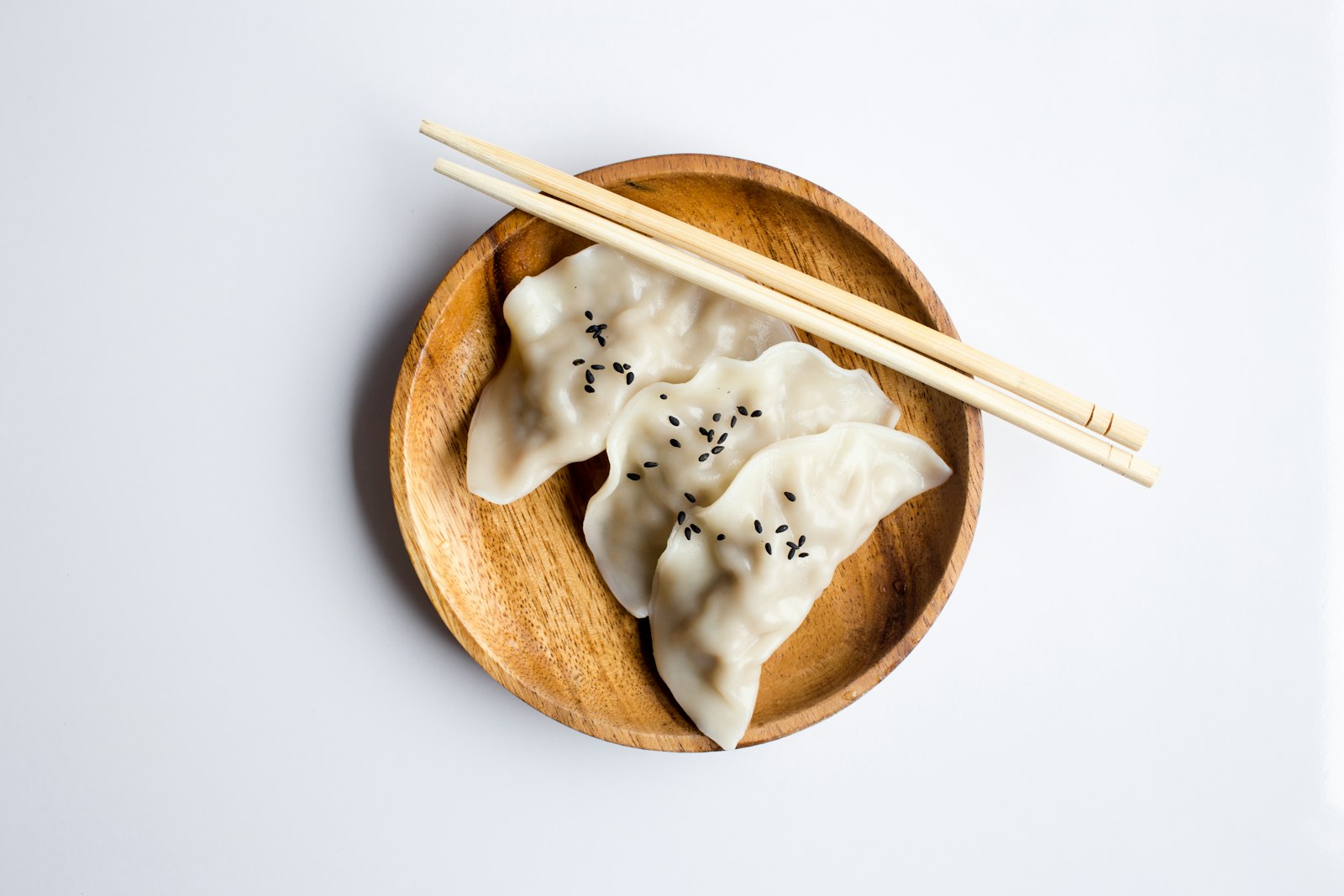
Xiaolongbao (小笼包) are Shanghai's signature dish — delicate soup dumplings with a thin skin enclosing pork filling and rich broth. Din Tai Fung in the IFC Mall is the safe international choice, but locals prefer Jia Jia Tang Bao (佳家汤包) on Huanghe Road near People's Square for a more authentic experience. Bite a small hole in the skin, sip the soup, then eat — never pop an entire xiaolongbao in your mouth unless you want to scald your tongue.
Shanghainese cuisine (本帮菜, běnbāng cài) is characterized by sweet and savory soy-braised dishes. Must-try dishes include hongshao rou (red-braised pork belly), shengjianbao (pan-fried soup buns with a crispy bottom), smoked fish (熏鱼), and hairy crab (大闸蟹) in autumn season from October to December. For shengjianbao, Yang's Fried Dumplings (小杨生煎) has locations across the city.
Shanghai's street food scene thrives around Yunnan South Road, Huanghe Road, and the side streets off Nanjing East Road. Breakfast staples include cōngyóubǐng (scallion pancakes), cifan (sticky rice rolls), and soy milk with you tiao (fried dough sticks). For late-night eating, Shouning Road is lined with outdoor crayfish and barbecue stalls from May through October. Wujiang Road Snack Street near Jing'an is a clean, well-organized food street that makes a good introduction for visitors.
Step 10
Getting around Shanghai
Shanghai's metro system is the world's longest by route length with 20 lines and over 500 stations. Trains run from roughly 5:30 AM to 10:30 PM and are clean, air-conditioned, and well-signed in English. Buy a Transportation Card (交通卡) at any station service center for ¥20 deposit — it works on metro, buses, ferries, and some taxis. Alternatively, Alipay and WeChat Pay QR codes work at all turnstiles.
DiDi (滴滴) is the dominant ride-hailing app and significantly cheaper than taxis during non-surge hours. Set your destination in Chinese characters within the app before booking — drivers rarely speak English. For short cross-town trips, shared bikes from Meituan (yellow) or Hello (blue) are docked everywhere and cost ¥1.50 per 15 minutes via their respective apps or Alipay mini-programs.
Pudong and Hongqiao airports are both well-connected. The Maglev train from Pudong reaches 431 km/h and connects to Longyang Road metro station in 8 minutes — take it once for the experience, but Line 2 metro runs directly to both airports and is more practical for most hotels. Hongqiao airport and Hongqiao railway station are in the same complex, making train-to-flight transfers seamless.
Step 11
When to visit and where to stay
The best months for Shanghai are late March through May (spring) and October through November (autumn) when temperatures are mild and skies are clear. Summer (June–August) brings intense heat, humidity, and the meiyu rainy season in June. Winter (December–February) is cold and grey but brings the lowest hotel prices and thinnest crowds.
For first-time visitors, stay in the French Concession (Xuhui/former Luwan) for walkability and neighborhood character, or near the Bund (Huangpu) for views and proximity to major sights. Jing'an is ideal for business travelers with easy metro access. Pudong is convenient for Pudong airport but feels isolated from the city's street-level energy. Budget travelers should look at hostels around People's Square which is the most connected metro hub.
Book accommodation on Trip.com (Ctrip) for the best rates on domestic Chinese hotels — it consistently beats international booking platforms by 15–30%. Hotels in China require passport registration at check-in, which is a legal requirement, not a scam. Boutique options in converted lane houses are available through platforms like The Opposite House or via Airbnb-style listings on Tujia (途家), China's domestic short-stay platform.
Next route decision
Confirm your entry path before booking.
Run the visa checker with your exact passport and itinerary. It turns this guide into a route you can execute.