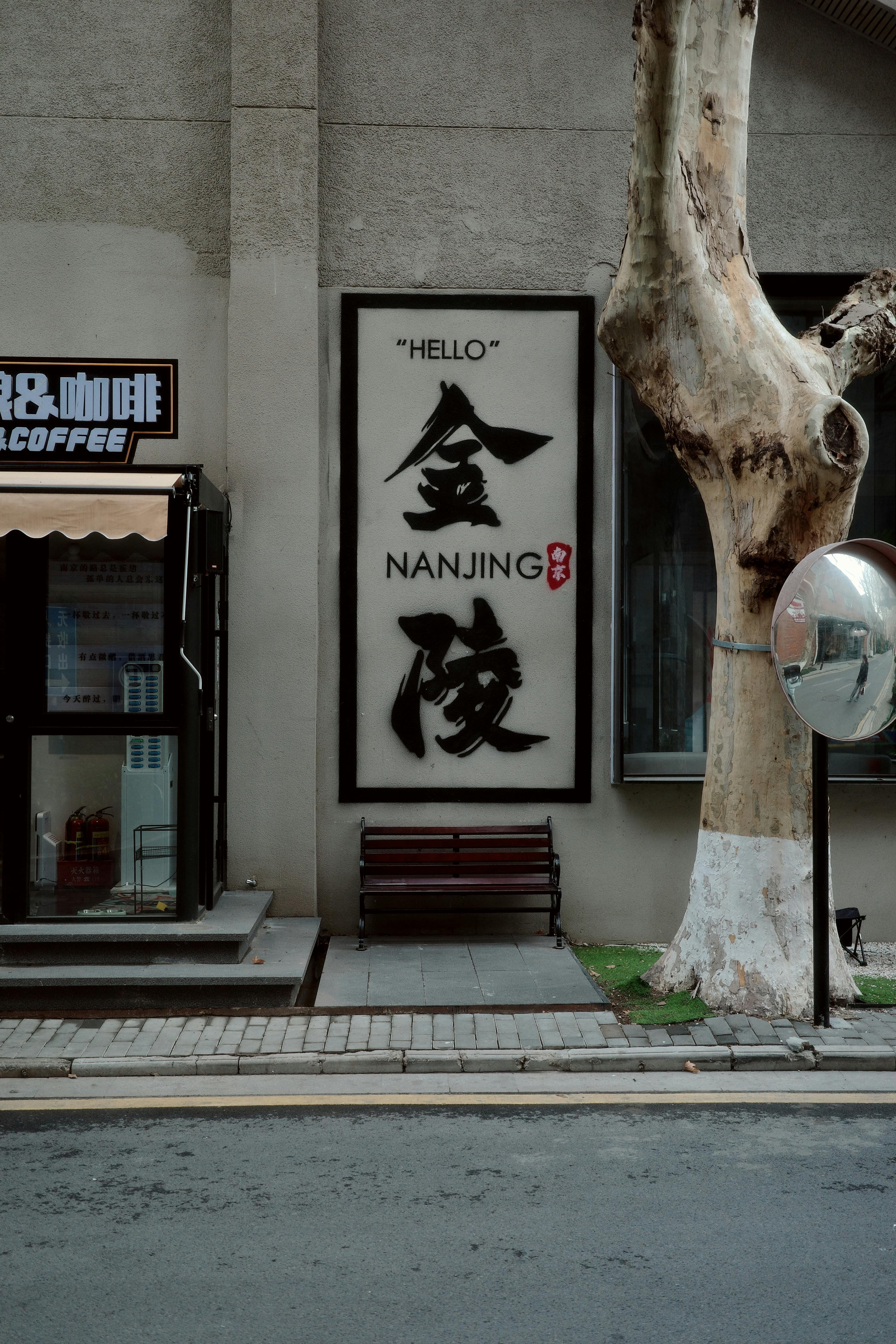
Why Nanjing is different from every other Chinese city
Most Chinese cities present a single identity — Beijing as the imperial capital, Shanghai as the commercial metropolis, Xi'an as the ancient capital. Nanjing refuses to pick a lane. It has been the capital of six different dynasties (and briefly the Republic of China), the site of one of the worst atrocities of the 20th century, a major industrial center, a university town with over 50 institutions of higher learning, and currently one of China's most livable big cities. Walking through Nanjing means walking through layers of history that do not always sit comfortably together.
The name itself literally means "Southern Capital" (南京, Nánjīng) — Beijing is the "Northern Capital" (北京, Běijīng). The two cities have been rivals for over 600 years, ever since the Yongle Emperor moved the capital from Nanjing to Beijing in 1421. Beijing won that round, but Nanjing has never quite accepted second place.
What makes Nanjing worth your time: the Ming Dynasty city wall (the longest surviving ancient city wall in the world), the Sun Yat-sen Mausoleum on Purple Mountain, the Memorial Hall of the Victims in the Nanjing Massacre by Japanese Invaders (a necessary and sobering visit), a serious food scene built around duck (yes, duck), and a tree-lined urbanism that feels more like a European capital than most Chinese cities thanks to the plane trees planted along its main avenues in the 1920s.
Background reading: Jonathan Spence's *To Change China* covers parts of Nanjing's modern history. Iris Chang's *The Rape of Nanking* is the standard English-language work on the 1937 events — difficult but essential reading before visiting the Memorial Hall. For a lighter overview, Wikipedia's Nanjing page provides solid historical context across all periods.
The Ming Dynasty City Wall
The Nanjing City Wall (南京城墙) was built between 1366 and 1386 during the early Ming Dynasty under the Hongwu Emperor (Zhu Yuanzhang, the founder of the dynasty who started as a peasant rebel). At its peak, the wall ran for about 35 kilometers around the old city — roughly 25 kilometers survive today, making it the longest continuous ancient city wall in the world (Beijing's wall was mostly demolished; Xi'an's is impressive but shorter at about 14 kilometers).
Unlike later city walls built mainly of brick, Nanjing's wall was constructed from enormous stone blocks quarried from nearby Purple Mountain (紫金山). Each block was stamped with the name of the craftsman or military unit responsible for it — an early quality-control system that meant anyone who cut corners could be held accountable. The wall varies in height from 14 to 26 meters depending on terrain, and some sections incorporate natural hills and lakes into the defensive design rather than building around them.
The best-preserved and most accessible section runs from Jiefang Gate (解放门) near Xuanwu Lake to Zhonghua Gate (中华门) in the south of the old city. You can walk on top of the wall for several kilometers — the section near Zhonghua Gate is particularly impressive because this was the main southern entrance and features a complex system of barbicans (enclosed courtyards within the gate structure designed to trap invaders who breached the outer gate). Zhonghua Gate alone contains 27 hidden soldier tunnels and could reportedly garrison 3,000 troops.
Practical tips: the wall is open daily, usually 8:30 AM to 5–6 PM (seasonal variations). Entry fees apply per section or you can buy a multi-section pass. Wear comfortable shoes — the surface is uneven ancient stonework. The walk from Jiefang Gate to Zhonghua Gate takes about 2 hours at a leisurely pace with photo stops. Early morning or late afternoon gives the best light and fewer crowds.
Resources: The Nanjing City Wall Museum inside Zhonghua Gate explains construction techniques and history. UNESCO lists the Ming City Wall on its tentative World Heritage list. Book tickets via Trip.com or at the gate.
Purple Mountain (Zijin Shan)
Purple Mountain (紫金山, Zǐjīn Shān) dominates eastern Nanjing — a forested massif covering nearly 31 square kilometers that serves as the city's green lung and historical parkland. It contains enough sights to fill a full day or more: the Sun Yat-sen Mausoleum, the Ming Xiaoling Tomb (UNESCO site), the Meiling Palace, several temples, a botanical garden, and extensive hiking trails through some of the best-preserved secondary-growth forest in eastern China.
The Sun Yat-sen Mausoloem (中山陵, Zhōngshān Líng) is the mountain's headline attraction. Dr. Sun Yat-sen is revered as the father of modern China — he led the revolution that ended imperial rule in 1911 and served as the first provisional president of the Republic of China. The mausoleum was completed in 1929 after his death and consists of a grand granite staircase with 392 steps (representing the population of China at the time in millions) leading up to the sacrificial hall where his statue sits. The climb looks intimidating from below but takes only about 15–20 minutes at a normal pace. Entry is free but requires advance reservation during peak periods — book via the official WeChat mini-program or website.
The Ming Xiaoling Tomb (明孝陵) nearby is the burial site of the Hongwu Emperor (founder of the Ming Dynasty) and his empress. It is part of the UNESCO Imperial Tombs of the Ming and Qing Dynasties inscription and features the famous Sacred Way (神道) lined with pairs of stone animals (lions, camels, elephants, qilin) and human officials standing guard. The elephant-heavy stretch of the path — where six pairs of life-sized stone elephants line both sides of the avenue — is one of the most photogenic spots in Nanjing. Plan 2–3 hours for the full tomb complex.
The Meiling Palace (美龄宫), formerly the residence of Chiang Kai-shek and Soong Mei-ling, sits between the Sun Yat-sen Mausoleum and Ming Xiaoling Tomb. Built in 1931 in a distinctive style that blends Chinese roof elements with Western interior design, it offers a glimpse into the lifestyle of the Republican era's power couple. The building is especially beautiful in autumn when the surrounding plane trees turn golden — viewed from above, the road network leading to the palace is said to form a "necklace" shape with the palace as the pendant jewel.
Getting there: Metro line 2 to Mausoleum Station (苜蓿园站 or 下马坊站) then shuttle bus or a 20-minute walk uphill. Taxis and DiDi drop you closer to individual sites. The mountain area charges separate entry fees for each attraction or sells combo tickets. Check the Purple Mountain Scenic Area official site for current prices and booking requirements.
The Memorial Hall — what happened here in 1937
The Memorial Hall of the Victims in the Nanjing Massacre by Japanese Invaders (侵华日军南京大屠杀遇难同胞纪念馆) is not comfortable to visit. It is not supposed to be. In December 1937, after capturing Nanjing from Chinese forces, Japanese troops killed an estimated 200,000–300,000 Chinese civilians and disarmed soldiers over a period of six weeks in what became known as the Rape of Nanking. The memorial, built in 1985 and expanded significantly since then, documents these events through photographs, artifacts, survivor testimonies, and archaeological evidence excavated from mass grave sites on the premises.
The outdoor area centers on the Pit of Ten Thousand Corpses (万人坑), an excavation site where remains of victims were uncovered during construction work in the area. Inside, the exhibition halls follow a chronological narrative from the Japanese approach to Nanjing through the occupation period to the post-war trials. Some exhibits are graphic — be mentally prepared. The hall also maintains a registry of survivors (diminishing each year as the generation passes away) and hosts annual memorial ceremonies on December 13th (National Memorial Day).
Allow 2–3 hours minimum. Photography restrictions apply in certain areas. The memorial gets crowded on weekends and national holidays but maintains a generally respectful atmosphere regardless. Entry is free but requires ID/passport and sometimes advance booking during peak times. English audio guides are available.
Context resources: Before visiting, read Iris Chang's *The Rape of Nanking* (Basic Books, 1997) for the definitive English account. The Yale University Library's Nanjing Massacre archive hosts digitized primary source documents and photographs. The memorial's own official website posts current visiting information and educational materials.
Xuanwu Lake and the city center
Xuanwu Lake (玄武湖) sits just north of Nanjing's old city center, enclosed by the Ming wall on three sides and the city's railway district on the fourth. At about 5 square kilometers, it is one of the largest urban lakes in China and functions as Nanjing's Central Park — joggers in the morning, families on weekends, couples renting pedal boats in the evening, elderly residents flying kites along the causeways. Five islands within the lake are connected by causeways and bridges, each with a different theme (flower gardens, temples, performance spaces).
The lake is free to enter and open all day. A full circuit walk around the perimeter takes about 2 hours at a relaxed pace. The section nearest the old city wall (Jiefang Gate area) connects directly to the wall walk mentioned earlier — combining a wall segment with a lake stroll makes for an excellent half-day route. The views of Purple Mountain reflected in the lake from the northern causeways are particularly good on clear days.
South of the lake lies Xinjiekou (新街口), Nanjing's commercial heart and one of the busiest metro interchanges in China (lines 1 and 2 cross here underground). This is where department stores, shopping malls, restaurants, and entertainment cluster. Deji Plaza (德基广场) is the upscale mall of choice; the basement food court and surrounding streets offer everything from street snacks to high-end dining. For something more characterful, head west toward the former French Concession area around Shanghai Road (上海路) which has a concentration of cafés, bars, and independent shops serving the large student population from nearby Nanjing University.
The Confucius Temple area (夫子庙, Fūzǐmiào) on the city's south side is Nanjing's main tourist quarter — a reconstructed temple complex surrounded by pedestrian streets packed with snack stalls, souvenir shops, lantern vendors, and Qinhuai River boat tours. It is undeniably commercial and crowded, but the evening atmosphere when the red lanterns are lit along the river is genuinely appealing. The Jiangnan Examination Hall (江南贡院) museum nearby offers interesting context on China's imperial examination system — this was the largest examination center in imperial China.
Nanjing eats duck like nowhere else
Nanjing's relationship with duck borders on obsession. The city consumes more duck per capita than anywhere else in China, and duck dishes appear at every meal: breakfast, lunch, dinner, and late-night snacks. The most iconic preparation is Salted Duck (盐水鸭, yánshuǐ yā) — a whole duck dry-cured with salt and spices, boiled, then chilled and served cold in thin slices. The skin should have a characteristic white color, the meat should be tender without being mushy, and there should be subtle notes of ginger and star anise in the background. Every Nanjing family has their trusted shop; visitors should look for places with a queue of locals carrying ducks home in plastic bags.
Beyond salted duck: Duck Blood Vermicelli Soup (鸭血粉丝汤, yāxuè fěnsī tāng) is the ultimate comfort food — a rich broth made from duck bones, filled with duck blood cubes, glass noodles, tofu puffs, and dried shrimp. Sold everywhere from street stalls to proper restaurants, and universally cheap (¥15–25). Good versions have a deeply flavorful broth that tastes like it simmered for hours (because it did). Mandarin Duck Dish (鸳鸯锅, yuānyang guō) combines roasted duck and salted duck on one plate — best of both worlds.
For non-duck specialties: Nanjing Salted Duck Egg (咸鸭蛋) with bright orange-red yolks is a breakfast staple. Guotie (锅贴, pan-fried dumplings) in Nanjing style are larger and crispier than the northern version, typically filled with pork and cabbage. Tangbao (汤包, soup dumplings) differ from Shanghai xiaolongbao — Nanjing tangbao are larger, with thinner skins and more soup inside. Bite carefully.
Where to eat: the area around Shizi Bridge (狮子桥) used to be the main food street but has declined somewhat. Better bets now include the lanes around Xinjiekou for mid-range restaurants, the Confucius Temple/Fuzimiao area for tourist-friendly options (some genuinely good among the overpriced ones), and residential neighborhoods like Mochou Road (莫愁路) or Shanghai Road (上海路) for local hole-in-the-wall places. As always, Dianping (search 南京美食 or 盐水鸭) is your friend for real-time reviews and photos.
Day trips from Nanjing
Yangzhou (扬州), about 45 minutes by high-speed train from Nanjing, is the city that defined refined living in imperial China. Famous for its gardens (though smaller and quieter than Suzhou's), its morning tea culture (早茶, zǎochá — a leisurely meal of dim sum-like dishes that can easily last until noon), and its Huaiyang cuisine (淮扬菜) — one of China's four great culinary traditions known for precise knife work, delicate flavors, and dishes like lion's head meatballs (狮子头) and braised dry tofu (大煮干丝). Slender West Lake (瘦西湖, Shòuxī Hú) is the main scenic attraction — narrower and more intimate than Hangzhou's West Lake, with beautifully landscaped pavilions and bridges. Plan a full day minimum; overnight if you want to experience the morning tea culture properly.
Zhenjiang (镇江), 30 minutes by train, sits on the south bank of the Yangtze opposite Yangzhou. It is famous for Zhenjiang vinegar (镇江香醋) — a dark, aged grain vinegar that is a staple condiment in kitchens across China. The Jinshan Temple (金山寺) on the Yangtze bank is the setting of the famous Legend of the White Snake folklore. Jiaoshan Mountain nearby holds hundreds of stone inscriptions carved into cliffs by poets and calligraphers over centuries. A manageable half-day trip.
The Yangtze River Bridge (南京长江大桥) is technically within Nanjing but deserves special mention. Completed in 1968, it was the first heavy-duty bridge across the Yangtze designed and built entirely by China (without Soviet assistance, following a political split). You can walk across the upper deck (about 1.5 km) for views of river traffic including massive barges and naval vessels. The lower deck carries trains. There is a small museum under the bridge explaining its construction history. Free entry. Take bus or taxi to the north bank access point.
Getting there and around
Nanjing has two main stations: Nanjing South (南京南站) is the major high-speed hub handling trains to/from Shanghai (60–75 minutes, ~¥140), Hangzhou (90 minutes–2 hours, ~¥120–180), Beijing (3.5–4 hours, ~¥450–550), and most other destinations. Nanjing Station (南京站) is older, closer to the city center and Xuanwu Lake, and serves conventional rail plus some high-speed services. Always double-check which station when booking.
Within Nanjing, the metro system (11 lines as of 2026, covering virtually every sight worth visiting) is clean, efficient, and inexpensive. Buses fill the gaps. Taxis and DiDi are widely available and reasonably priced. Bike-sharing (HelloBike dominant) works well in the flat central areas around Xuanwu Lake and Xinjiekou. The city is large but the core sights are clustered closely enough that you can cover a lot on foot once you reach the right neighborhood.
Nanjing Lukou International Airport (NKG) is about 40 km south of the city — metro line S1 connects directly (about 45 minutes), or a taxi/DiDi takes 35–50 minutes depending on traffic. The airport handles domestic routes extensively plus international flights to major Asian hubs, Sydney, Frankfurt, and other destinations depending on season and airline schedules.
Transport apps: 12306 for trains (English interface available). DiDi for rides. Alipay's transit QR code function works on Nanjing's metro and buses. Download the Nanjing Metro app or use Alipay for seamless travel.
When to visit and where to stay
Autumn (September–November) is Nanjing's best season. September and October bring comfortable temperatures (18–26°C), clear skies, and the beginning of the spectacular autumn foliage on Purple Mountain — the ginkgo avenues on the way to the Ming Xiaoling Tomb turn brilliant gold in late November. October also brings the Qinhuai International Lantern Festival around the Confucius Temple area.
Spring (March–May) is pleasant (15–25°C) but wetter — April and May see frequent rain showers (pack an umbrella). The plum blossoms at Gulin Park (古林公园) in February–March and cherry blossoms at the Botanical Garden on Purple Mountain in March–April are highlights. Summer (June–August) is hot (30–35°C+), humid, and busy with summer holiday crowds. Winter (December–February) is cold (0–10°C) and grey but sees the fewest tourists and lowest hotel rates. Snow on Purple Mountain and Xuanwu Lake, when it happens, is beautiful.
Where to stay: Xinjiekou (新街口) is the most convenient location for transport connections (metro interchange, easy access to most of the city by metro or short taxi ride) and has the widest range of hotels from budget hostels to international luxury brands like The Ritz-Carlton Nanjing and InterContinental Nanjing. The Confucius Temple/Fuzimiao area offers atmospheric traditional-style hotels and guesthouses within walking distance of the Qinhuai River night scenery, though it gets noisy in the evenings. Near Xuanwu Lake puts you close to the city wall and Purple Mountain shuttle access. Compare Trip.com, Booking.com, and Agoda for each property — pricing differences between platforms for the same hotel on the same night can exceed 20%.
Confirm your entry path before booking.
Run the visa checker with your exact passport and itinerary. It turns this guide into a route you can execute.